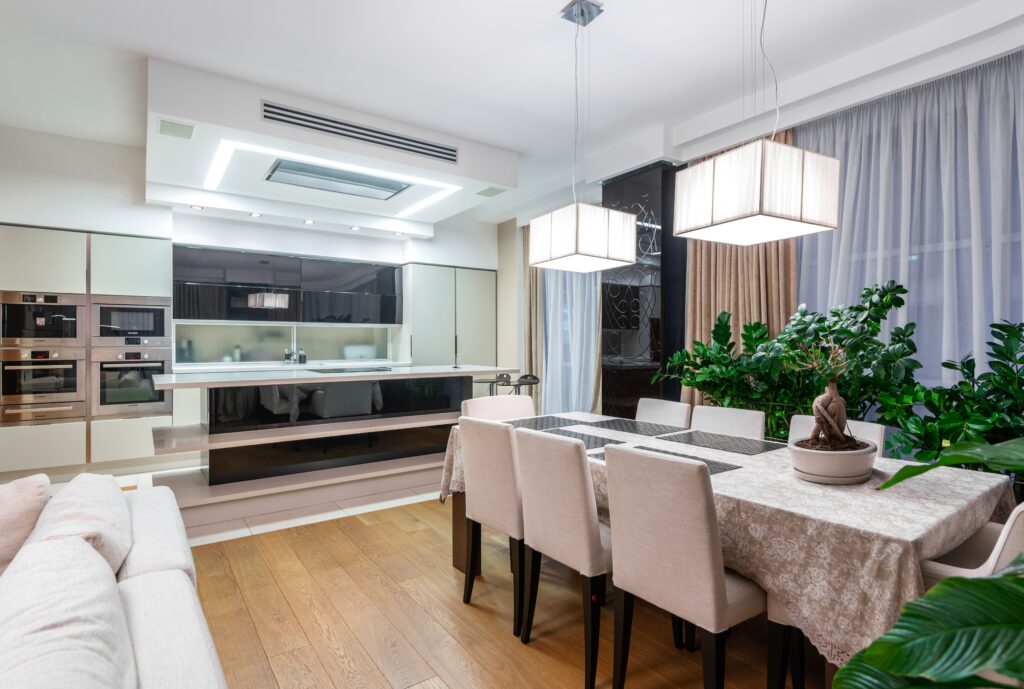
Are you tired of walking from a cosy living room into a freezing cold bedroom? Have you ever wondered why some homes feel consistently warm while others have those dreaded cold spots? And what if there was a heating solution that could keep your entire home comfortable without cluttering your walls with bulky units?
If you’re building a new home or thinking about upgrading your current heating system, you’ve probably come across ducted heating as an option. It’s become increasingly popular among Australian homeowners, and for good reason. This whole-home heating solution offers a range of benefits that make it stand out from other options on the market. From even heat distribution to improved air quality, ducted heating ticks plenty of boxes for modern living.
In this article, we’ll explore the top five benefits of installing ducted heating in your home. We’ll break down how it works, why it’s so energy efficient, and whether it’s worth the investment. Plus, we’ll compare it to other heating options so you can make an informed decision. By the end, you’ll have a clear picture of whether ducted heating is the right choice for your household.
What Is Ducted Heating and How Does It Work?
Ducted heating systems work by drawing air into a central unit, warming it up, and then distributing it throughout your home via a network of ducts hidden in your ceiling or floor. The warm air flows through vents placed strategically in each room, creating consistent temperatures everywhere.
The central heating unit is typically installed in your roof space, under the floor, or outside the home. Gas ducted heating remains the most popular choice in Australia due to its efficiency and lower running costs. However, electric options and reverse cycle systems are also available depending on your needs and budget.
What makes ducted heating particularly clever is its zoning capability. This means you can divide your home into different zones and heat only the areas you’re using. No more wasting energy warming up empty guest rooms or that home office you only use twice a week.
Whole-Home Comfort with Even Heat Distribution
How Ducted Heating Eliminates Cold Spots
One of the biggest frustrations with portable heaters or single-room units is uneven heating. You know the feeling one room is toasty while the hallway feels like a walk-in freezer. Ducted heating solves this problem by delivering warm air to every room simultaneously.
The system is designed to distribute heat evenly throughout your entire home. Because the warm air comes from multiple vents positioned throughout the house, you won’t experience those uncomfortable temperature variations. Whether you’re in the master bedroom, the kids’ playroom, or the kitchen, the temperature stays consistent.
Is Ducted Heating Good for Large Homes?
Absolutely. In fact, ducted heating really shines in larger properties where other heating methods struggle. For spacious open-plan living areas or multi-storey homes, a properly sized ducted system can maintain comfortable temperatures throughout. The zoning feature becomes particularly valuable here, allowing you to focus heating on occupied areas during different times of the day.
Energy Efficiency and Lower Running Costs
How Energy Efficient Is Ducted Gas Heating?
Modern ducted gas heating systems are remarkably efficient, with many models achieving energy ratings of five stars or higher. This means more of the energy used goes directly into heating your home rather than being wasted. Gas prices in Australia also tend to be more stable than electricity, making running costs more predictable.
The efficiency improves further when you use the zoning feature properly. By heating only the rooms you need, you’re not paying to warm empty spaces. Some systems also come with programmable thermostats, letting you set schedules that match your daily routine.
Tips for Maximising Energy Savings
To get the most out of your ducted heating system, consider these practical tips. First, keep your vents clear of furniture and curtains to ensure proper airflow. Second, use the timer function to heat your home just before you wake up or arrive home. Third, set your thermostat to a comfortable but not excessive temperature every degree above 20°C can add around 10% to your heating bill. Finally, make sure your home is properly insulated to prevent heat escaping through walls, ceilings, and windows.
Improved Air Quality and Healthier Living Spaces
Does Ducted Heating Help with Allergies and Asthma?
For anyone dealing with allergies or asthma, indoor air quality matters enormously. Ducted heating systems come with built-in filtration that captures dust, pollen, and other airborne particles before circulating warm air throughout your home. This can make a noticeable difference for sensitive family members.
Unlike some heating methods that can dry out the air excessively or produce fumes, ducted gas heating maintains a more comfortable humidity level. The filtered air means fewer allergens floating around, which can reduce symptoms for allergy sufferers and create a healthier environment overall.
Reducing Dust and Airborne Particles
The filters in ducted systems require regular cleaning or replacement to work effectively. When maintained properly, they trap a significant amount of dust that would otherwise settle on your furniture and be inhaled by your family. This is particularly beneficial in Australian homes where dust can be a constant battle, especially in drier regions.
Aesthetic Appeal and Space-Saving Design
Why Ducted Heating Is Better for Interior Design
Let’s be honest wall-mounted heaters and portable units aren’t exactly design features. They take up valuable wall space, create obstacles for furniture placement, and can clash with your carefully chosen interior style. Ducted heating eliminates these issues entirely.
With ducted systems, the only visible elements are the discreet vents in your ceiling or floor. Modern vent designs are subtle and can even be painted to match your ceiling colour. This gives you complete freedom with your interior design without having to work around bulky heating equipment.
Are Ducted Heating Vents Noticeable?
Most people barely notice ducted heating vents once they’re installed. They sit flush with the ceiling or floor and blend seamlessly into the room. Compared to split system units that protrude from walls or freestanding heaters that take up floor space, ducted vents are virtually invisible. This clean, uncluttered look is a major selling point for homeowners who value aesthetics.
Increased Property Value and Long-Term Investment
Does Ducted Heating Add Value to Your Home?
When it comes time to sell, homes with ducted heating often attract more interest from buyers. It’s considered a premium feature that adds both comfort and convenience. Real estate agents frequently highlight ducted heating in property listings because buyers recognise its value.
A quality ducted heating system can last 15 to 20 years with proper maintenance, making it a solid long-term investment. While the upfront installation cost is higher than portable heaters or single split systems, the longevity and whole-home coverage often make it more cost-effective over time.
Ducted Heating Installation Cost: Is It Worth the Investment?
Installation costs vary depending on your home’s size, layout, and the system you choose. For an average Australian home, expect to pay anywhere from $5,000 to $15,000 for a complete ducted gas heating system. While this might seem substantial, consider that you’re heating your entire home rather than purchasing multiple individual units.
When you factor in lower running costs, increased property value, and the comfort of consistent whole-home heating, most homeowners find ducted heating represents excellent value for money.
Ducted Heating vs Other Heating Options
Ducted Heating vs Split System: Which Is Better?
Split systems work well for heating individual rooms and offer both heating and cooling. However, if you want to heat multiple rooms, you’ll need several units, which adds up quickly in both cost and visual impact. Ducted heating provides a more elegant solution for whole-home comfort, though split systems remain popular for smaller homes or apartments.
Ducted Gas Heating vs Reverse Cycle: Pros and Cons
Reverse cycle ducted systems offer both heating and cooling from one unit, making them versatile year-round solutions. However, they typically have higher running costs for heating compared to gas systems, particularly during cold Victorian or Tasmanian winters. Gas ducted heating tends to warm rooms faster and costs less to operate in colder climates.
The best choice depends on your climate, energy costs, and whether you need cooling as well as heating.
Is Ducted Heating Right for Your Modern Home?
So, what’s the bottom line? Ducted heating offers a compelling package of benefits that make it ideal for modern Australian homes. From consistent whole-home comfort and energy efficiency to improved air quality and aesthetic appeal, it addresses many of the frustrations associated with other heating methods.
The investment makes sense if you have a larger home, value clean interior design, or want the convenience of zoned heating. While the upfront cost is higher than some alternatives, the long-term benefits including potential increases in property value often justify the expense.
Ultimately, the right heating system depends on your specific circumstances, budget, and priorities. If whole-home comfort, efficiency, and a clutter-free look appeal to you, ducted heating deserves serious consideration. Chat with a qualified installer who can assess your home and recommend the best system size and configuration for your needs. Your future self, walking from one perfectly warm room to another, will thank you.